-
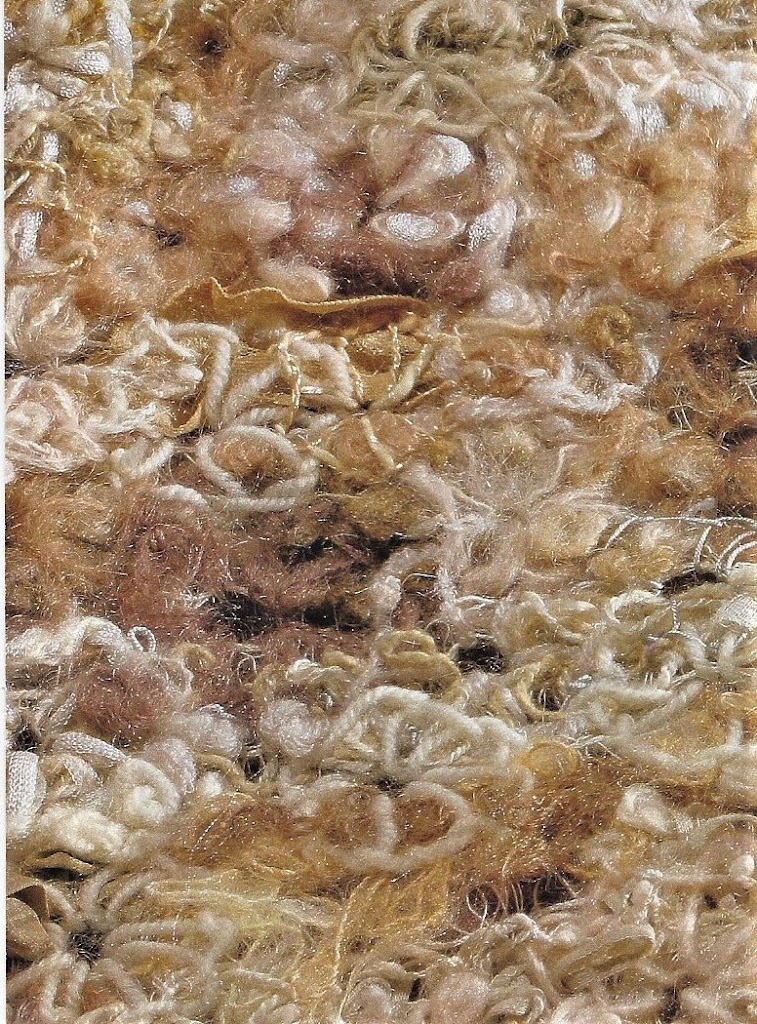
Tactile Textiles
The first of our senses, when appreciating textiles, is usually thought to be sight. We perceive color in all variations, we note pattern and size. However another sense is equally important: touch. This past weekend I experienced two examples of the importance of tactile experiences. While watching the final rounds of the French Open tennis…
-
-
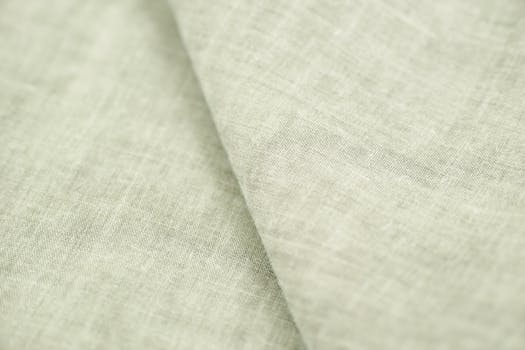
Satinet
Satinet – A Nineteenth Century Fabric While at the Textile Society of America Biennial I attended a presentation by Peggy Hart, a weaver and author of Wool: Unraveling an American Story of Artisans and Innovations, 2017. The subject of her paper was a fabric manufactured in the early industrial period in the mills of 18…
-
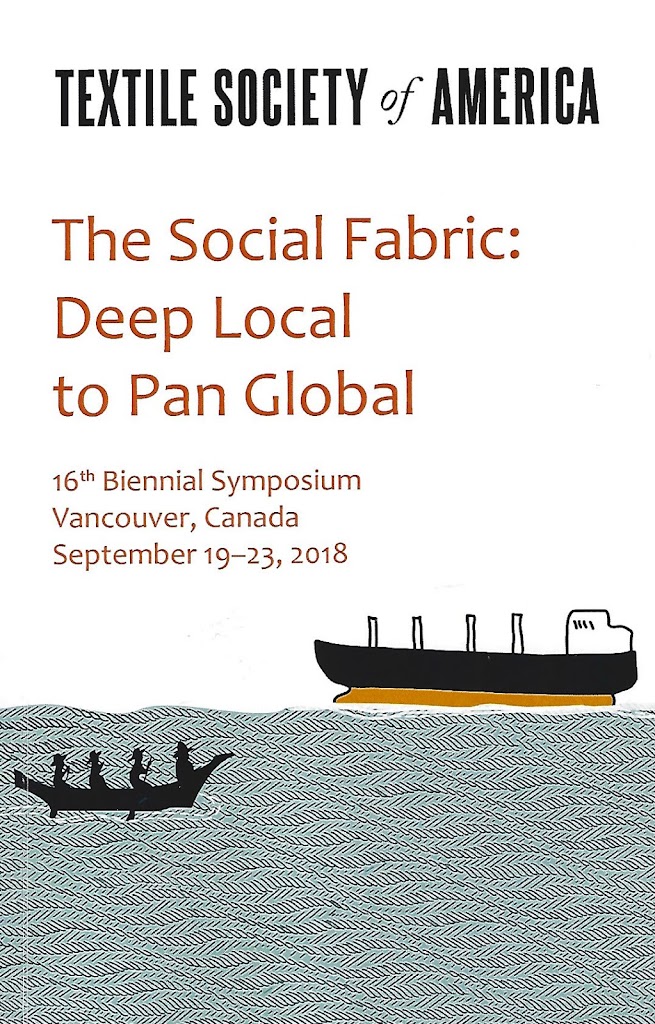
TSA 16th Biennial Symposium
Textile Society of America I just returned from Vancouver, Canada having attended the 16th Biennial Symposium of the TSA. Although many papers are presented on various subjects there is always an underlying theme to the symposium. This year was entitled “The Social Fabric: Deep Local to Pan Global”. Deep Local, “defined as knowledge, beliefs, resources…
-
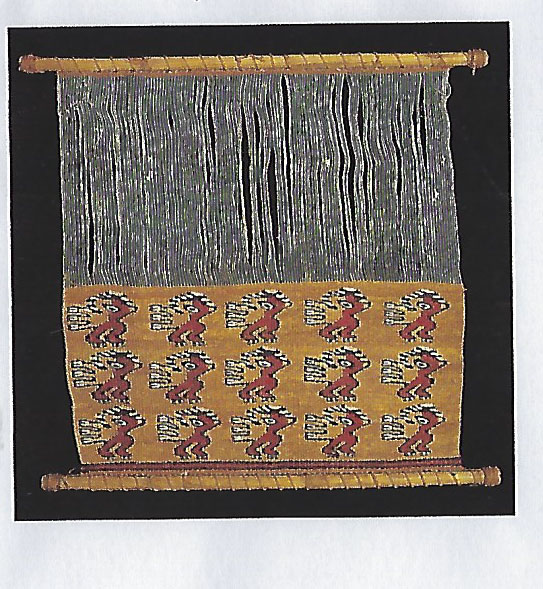
Paracas Necropolis and the Paracas Mantle
Pre-Hispanic loom and Textile of the Paracas culture of Southern Peru Paracas Textiles Paracas, from the Quechua language of the Quechua people of Peru and parts of Bolivia, Chile, Equador, Colombia, comes from “para-ako” which means “sand falling like rain”. The Paracas flourished on the south Pacific coast of the central Andes in Peru around…
-
Burial Cloths- The Paracas Textiles
Burial Cloths Textiles are fragile, ancient textiles are exceedingly so. It is remarkable that there are any extant, ancient textiles surviving to tell their story. These fragments of cloth were created from natural materials, which suffer from climate variations, moisture and the ravages of insects and vermin. So where is it that these survivors were,…
My thoughts on Textile History by Margy Norrish